Biomarkers: Enabling Precision Assessment of Cardio-Kidney-Metabolic (CKM) Syndrome
 Publication Date:2026-07-24
 Page Views:130
In June 2026, four leading organizations, including the American Heart Association (AHA), jointly released the first global guideline for the management of Cardio-Kidney-Metabolic (CKM) Syndrome, formally recognizing obesity, diabetes, chronic kidney disease, and cardiovascular disease as interconnected manifestations of a single disease continuum. Rather than representing a collection of coexisting conditions, CKM syndrome is characterized by a progressive and interdependent pathophysiological process in which dysfunction in one organ system can accelerate deterioration across the others [1]. This new framework is reshaping drug development strategies. As emerging therapies increasingly target pathways that influence cardiovascular, renal, and metabolic health simultaneously, the traditional single-organ development paradigm is becoming less adequate for evaluating therapeutic benefit and clinical value.

A key challenge in integrated CKM syndrome assessment is the lack of biomarkers capable of capturing treatment effects across the interconnected cardiovascular, renal, and metabolic systems. Demonstrating target engagement alone does not necessarily translate into renal benefit, metabolic improvement, or reduced cardiovascular risk. Once a therapeutic target has been validated, critical questions remain throughout development: Has the drug effectively engaged its target? Are pharmacodynamic responses aligned with the intended mechanism of action? Which biomarkers should guide dose selection? How can the most appropriate patient populations be identified and stratified? Robust biomarker analysis provides the objective evidence needed to address these questions, enabling a more comprehensive evaluation of biological activity, therapeutic response, and clinical outcomes across the CKM continuum.
To support drug development and clinical translation in CKM syndrome and other metabolic diseases, ACROBiosystems offers a portfolio of ready-to-use Biomarker ELISA Kits validated across multiple biological sample types. Each assay undergoes comprehensive performance evaluation using real-world biological matrices to ensure the accuracy, specificity, sensitivity, and lot-to-lot consistency required for preclinical research, translational studies, and clinical development programs.

FGF-21 and Insulin: Early Indicators of Metabolic Dysregulation
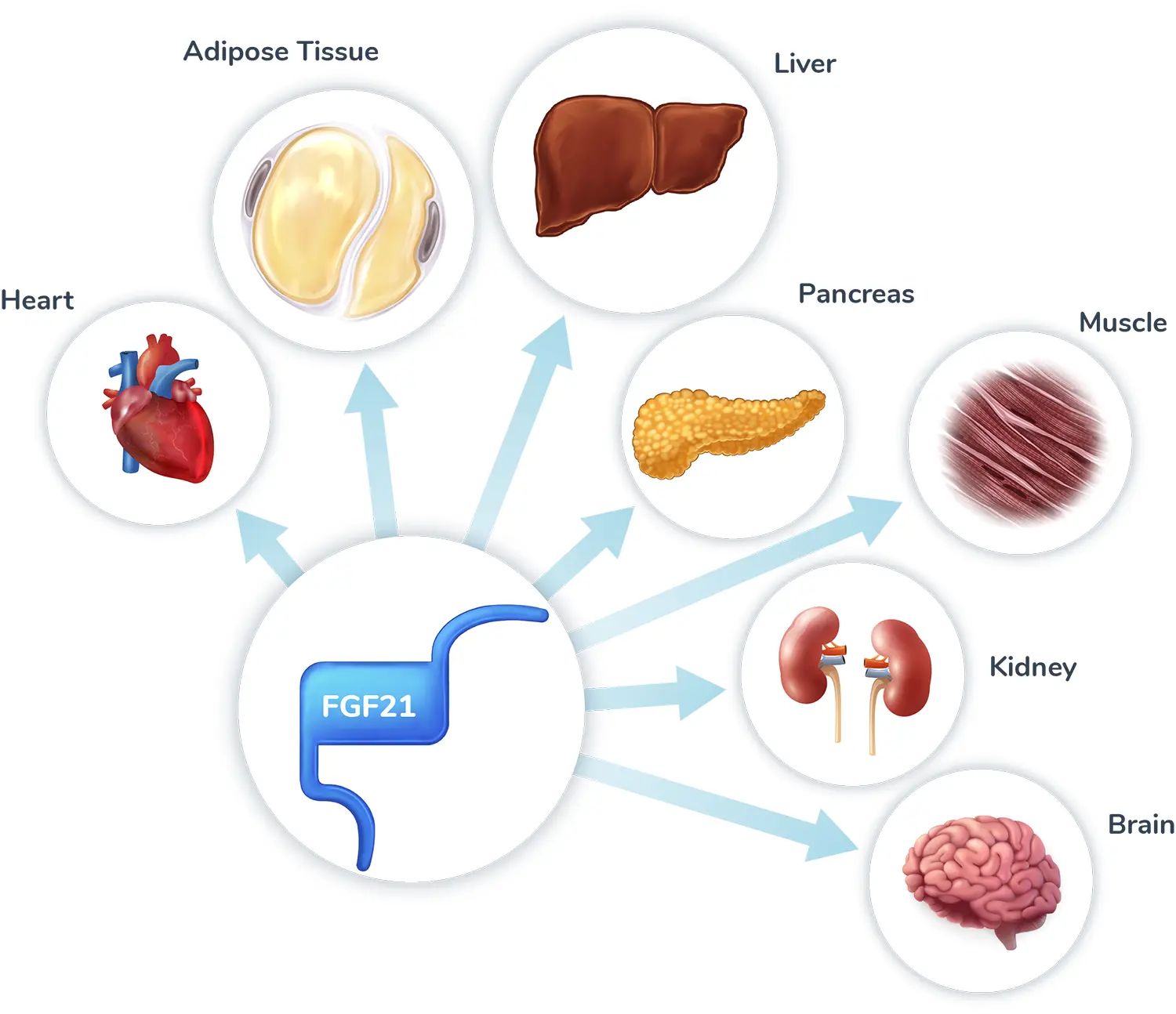
FGF-21 is a systemic metabolic regulator rather than a tissue-specific signaling molecule. Expressed across multiple metabolically active tissues—including the liver, adipose tissue, and skeletal muscle—it plays a central role in maintaining energy homeostasis and metabolic balance [2]. As FGF-21–targeted therapies such as efimosfermin alfa and pegozafermin advance through clinical development, accurate measurement of circulating FGF-21 has become increasingly important for pharmacodynamic assessment. Longitudinal monitoring of FGF-21 levels can provide valuable insights into drug-induced biological activity and pathway modulation, generating critical evidence to support mechanism-of-action studies and clinical translation.
https://89bio.com/pipeline/
FGF21 Is an Endogenous Hormone with Broad Effects Across Multiple Organs
Recommended Product: Human FGF-21 ELISA Kit (CEA-B268)

Sample Values: Healthy donor serum samples (n=77) were evaluated for the concentrations of human FGF-21 in the assay. The detectability rate of the samples was 96%, with a mean detectable concentration of 282 pg/mL and a concentration range of 26.8 to 918.2 pg/mL.
While FGF-21 reflects the extent of therapeutic modulation of metabolic pathways, the Homeostatic Model Assessment of Insulin Resistance (HOMA-IR), calculated from fasting insulin and fasting glucose levels, provides a quantitative measure of metabolic burden and insulin resistance. HOMA-IR enables assessment of an individual's position along the continuum from metabolic compensation to decompensation. Within the CKM syndrome staging framework, HOMA-IR can help identify the transition from Stage 1, characterized by excess adiposity, to Stage 2, where multiple metabolic risk factors emerge, offering insights into early metabolic deterioration. In addition, HOMA-IR has demonstrated value in risk stratification for metabolic dysfunction–associated steatohepatitis (MASH), diabetic kidney disease, and selected heart failure phenotypes, supporting disease monitoring and the identification of potential windows for therapeutic intervention.
Recommended Product: Human Insulin ELISA Kit (CEA-B205)

Sample Values: Insulin concentrations were measured in thirty-two human serum samples, which were collected from healthy human subjects. The measurements of thirty-two samples are shown in the table.
GDF-15: From Mechanistic Pathways to a Multi-Disease Biomarker
GDF-15 exerts its biological effects through the GFRAL receptor and its co-receptor RET, activating downstream signaling pathways including Ras and PI3K/Akt. Through these mechanisms, GDF-15 regulates a broad range of physiological and pathological processes across cardiovascular, metabolic, and renal systems. In cardiovascular disease, GDF-15 has been associated with cardioprotective signaling mediated by HIF-1α and SMAD2/3 pathways. In metabolic disorders, it acts centrally to regulate appetite and energy balance. In kidney disease, elevated circulating GDF-15 levels are correlated with declining estimated glomerular filtration rate (eGFR) and have demonstrated prognostic value [3]. Within the CKM syndrome framework, GDF-15 has emerged as a versatile biomarker with applications spanning disease detection, treatment monitoring, risk stratification, and prognosis assessment. It has also been explored as a potential biomarker for guiding individualized metformin dosing strategies. Furthermore, preclinical studies have shown that GDF-15 pathway–targeted interventions, including GDF-15 analogs and anti-GFRAL antibodies, can improve metabolic parameters and attenuate ventricular remodeling, highlighting their therapeutic potential in cardiometabolic diseases.
https://doi.org/10.2174/011573403X332671241121063641
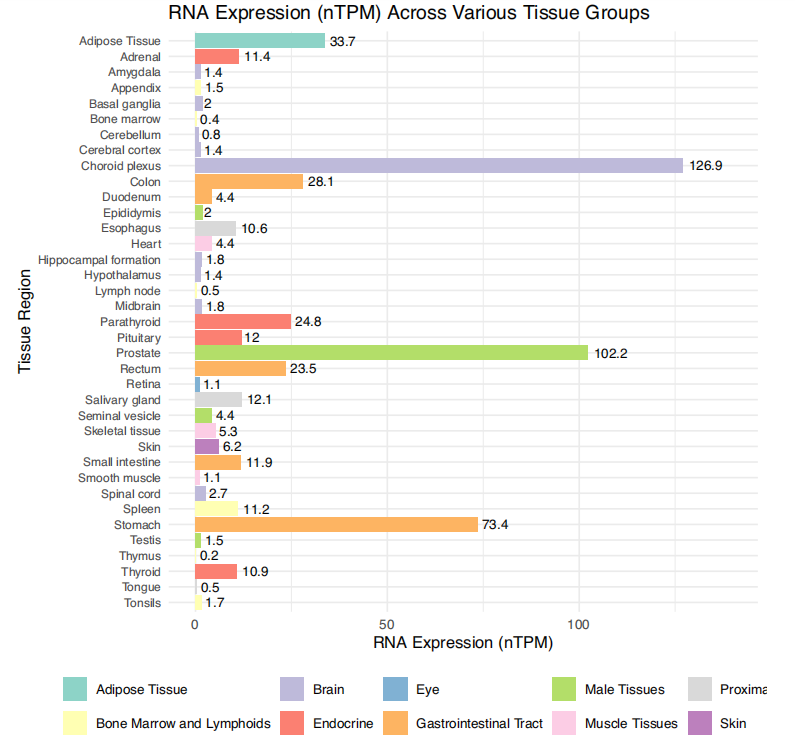
Figure shows the tissue RNA expression summary of GDF-15
Recommended Product: Human GDF-15 ELISA Kit (CEA-C077)
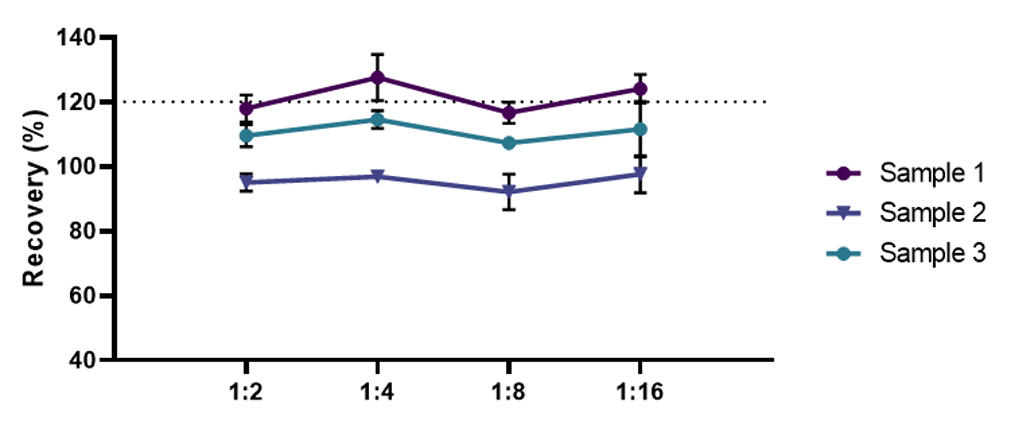
To evaluate dilution linearity, high-concentration GDF-15 was spiked into human serum to generate a high-level sample, which was subsequently serially diluted at ratios of 1:2, 1:4, 1:8, and 1:16. Across all dilution levels, the assay demonstrated an average recovery of 109.23%, indicating excellent linearity and reliable quantification of GDF-15 in human serum matrices.
Lp(a): From Genetic Risk Factor to a Gatekeeper Biomarker in CKM Clinical Development
Epidemiological studies estimate that approximately 20% of the global population has genetically elevated Lipoprotein(a) [Lp(a)] levels, which are associated with a 2–3-fold increased risk of coronary artery disease, stroke, and aortic valve stenosis. Because conventional lipid-lowering therapies have limited effects on Lp(a), it has emerged as an important therapeutic target [4]. Plasma Lp(a) concentrations are largely determined by the number of KIV-2 repeats within the LPA gene, making accurate Lp(a) quantification a critical criterion for patient selection in clinical trials of Lp(a)-targeted therapies, including antisense oligonucleotides and siRNA agents such as lepodisiran. As a result, reliable Lp(a) measurement is essential for identifying eligible patients and ensuring robust evaluation of clinical endpoints.
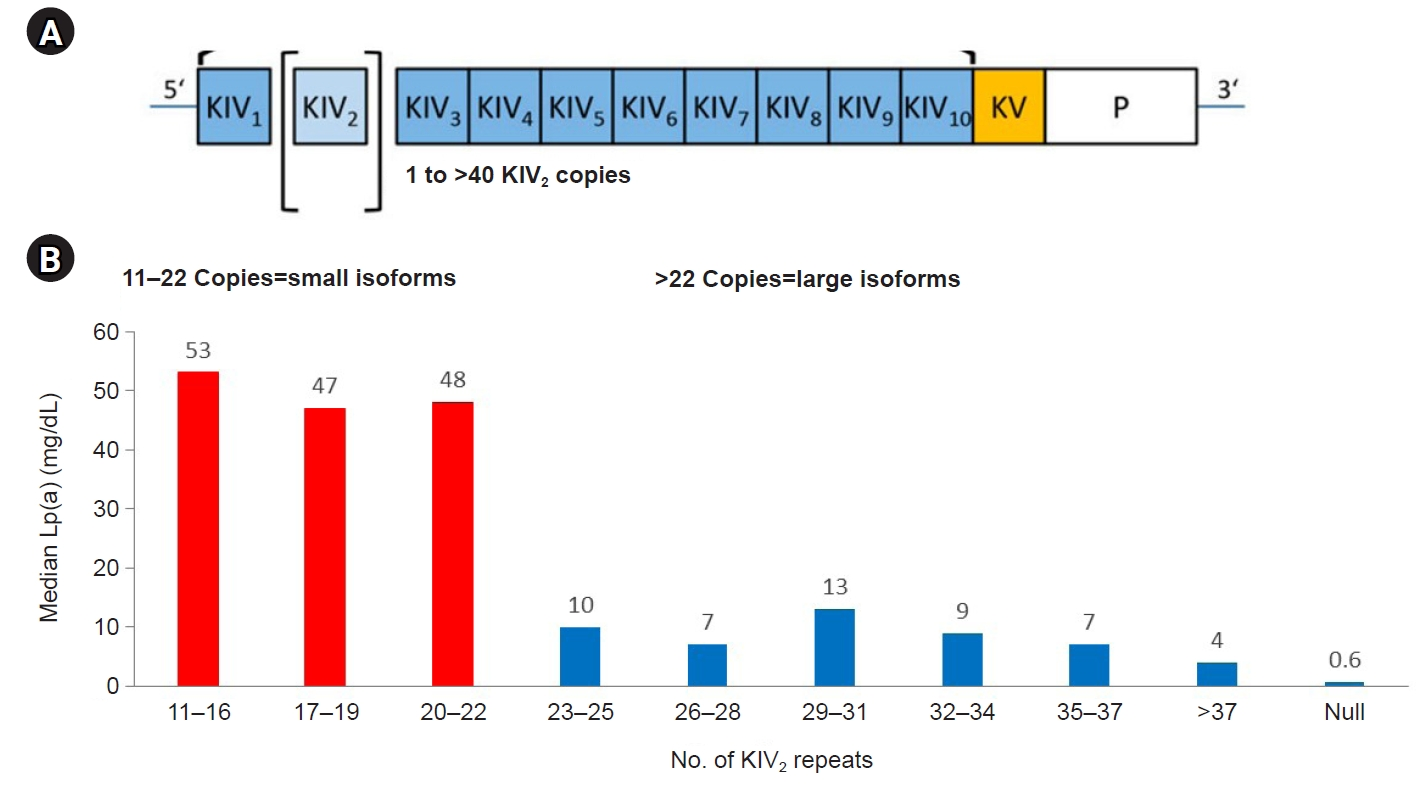
https://doi.org/10.36011/cpp.2026.8.e3
Relationship between apolipoprotein(a) (apo(a)) kringle IV type 2 (KIV-2) repeat number and plasma lipoprotein(a) (Lp(a)) concentrations
As a result, quantitative Lp(a) measurement is no longer used solely for cardiovascular risk assessment—it has become a critical gatekeeper for clinical trial enrollment. Without highly sensitive and accurate Lp(a) assays, development teams may struggle to precisely identify target patient populations, ensure balanced baseline characteristics between treatment and control groups, and reliably detect therapeutic responses to RNA-targeted interventions. Consequently, robust Lp(a) quantification has become essential for both patient selection and the successful evaluation of clinical efficacy.
Recommended Product: Human Lipoprotein (a) ELISA Kit (CEA-B264)

Sample Values: Healthy donor serum samples (n=43) were evaluated for the concentrations of human Lp(a) in the assay. The detectability rate of the samples was 100%, with a mean detectable concentration of 5.206 μg/mL and a concentration range of 0.495 to 17.815 μg/mL. The measurements of forty-three samples are shown in the table.
Established Lipid Biomarkers Across the Lipid-Lowering Landscape: PCSK9 and ANGPTL3
Serum PCSK9 measurement is widely used in the clinical development of PCSK9-targeted monoclonal antibodies and siRNA therapeutics, serving as a pharmacodynamic biomarker for target engagement and supporting dose optimization strategies. ANGPTL3 is primarily utilized in the development of therapies for refractory dyslipidemia and mixed hyperlipidemia. Baseline ANGPTL3 levels, when integrated with lipid profiles and clinical characteristics, can support patient stratification, while longitudinal changes following treatment provide valuable insights into target inhibition and pharmacodynamic activity. When combined with key lipid biomarkers such as Lp(a), PCSK9 and ANGPTL3 form a comprehensive biomarker framework that supports patient stratification, target validation, and pharmacodynamic assessment across the lipid management continuum of CKM drug development.
Recommended Product: Human PCSK9 ELISA Kit (CEA-C202)
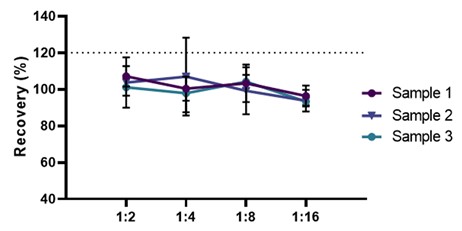
Dilution Linearity: High concentrations of human PCSK9 serum samples were diluted with 1:2, 1:4, 1:8 and 1:16 ratios for gradient dilution to evaluate the linearity of the assay. In the serum samples, the average detection rate of PCSK9 was 100.6%.
Recommended Product: Human ANGPTL3 ELISA Kit, PRO (CEA-B089)
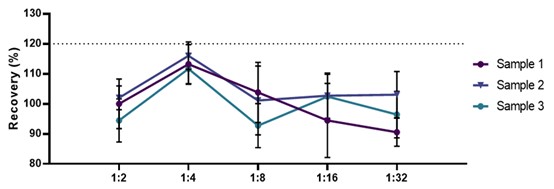
Dilution Linearity: High concentrations of human ANGPTL3 serum samples were diluted with 1:2, 1:4, 1:8, 1:16 and 1:32 ratios for gradient dilution to evaluate the linearity of the assay. In the serum samples, the average detection rate of ANGPTL3 was 101.7%.
Biomarker Analysis Is Emerging as a Core Capability in CKM Drug Development
The emergence of CKM syndrome has challenged the traditional organ-specific approach to drug development by recognizing the interconnected nature of cardiovascular, renal, and metabolic disease. As new therapies increasingly target pathways that span all three systems, the key questions are no longer simply whether a drug works, but where it exerts its effects, how target engagement translates into clinical benefit, which biomarkers best capture therapeutic response, and how to identify the patients most likely to benefit.
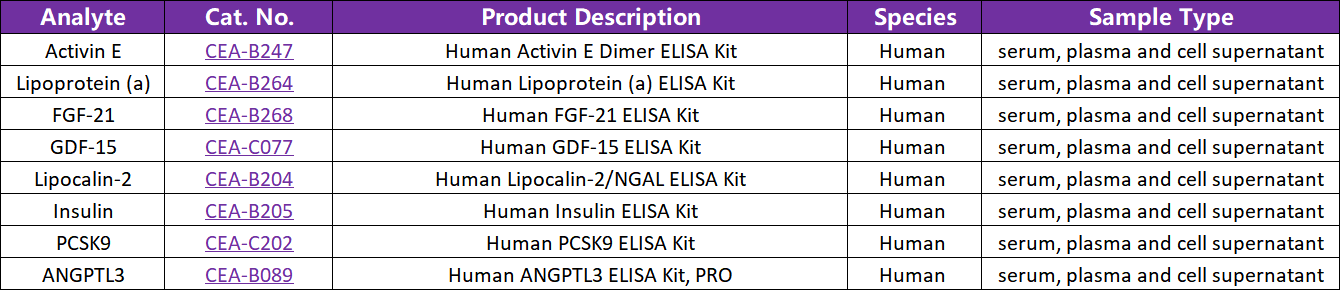
To support drug development and clinical translation in CKM syndrome and related metabolic diseases, ACROBiosystems offers a portfolio of ready-to-use Biomarker ELISA Kits validated across multiple biological sample types. Each assay undergoes comprehensive performance evaluation using clinical and biologically relevant samples to ensure the accuracy, specificity, sensitivity, and batch-to-batch consistency required for preclinical research, translational studies, and clinical development programs.
Discover Our Comprehensive Metabolic Biomarker Portfolio

FAQ
Q1: What is Cardio-Kidney-Metabolic (CKM) syndrome?
A: Cardio-Kidney-Metabolic (CKM) syndrome describes the interconnected progression of cardiovascular disease, kidney disease, diabetes, and metabolic dysfunction as part of a single disease continuum. Unlike traditional single-organ disease models, CKM syndrome emphasizes the biological interactions between cardiovascular, renal, and metabolic systems and requires integrated approaches for disease assessment and therapeutic evaluation.
Q2: Why are biomarkers important for CKM syndrome assessment?
A: Biomarkers provide measurable indicators of biological activity, treatment response, and disease progression across cardiovascular, kidney, and metabolic pathways. In CKM drug development, biomarker analysis helps evaluate target engagement, guide dose selection, identify suitable patient populations, and assess whether therapeutic mechanisms translate into clinical benefits.
Q3: Which biomarkers are commonly used in CKM syndrome research?
A: Important biomarkers investigated in CKM syndrome research include FGF-21, insulin, GDF-15, lipoprotein(a) [Lp(a)], PCSK9, and ANGPTL3. These biomarkers provide complementary insights into metabolic regulation, insulin resistance, inflammation-related pathways, cardiovascular risk, lipid metabolism, and therapeutic response monitoring.
Q4: How does FGF-21 support metabolic disease research and drug development?
A: FGF-21 is a metabolic regulator involved in energy homeostasis and metabolic balance. Measurement of circulating FGF-21 levels can support pharmacodynamic evaluation of FGF-21-targeted therapies by providing evidence of pathway modulation and biological activity during preclinical and clinical development.
Q5: Why is Lp(a) measurement important in CKM clinical development?
A: Lipoprotein(a) [Lp(a)] is an important cardiovascular risk biomarker and an emerging therapeutic target. Accurate Lp(a) quantification supports patient selection, baseline stratification, and evaluation of therapeutic responses in clinical trials investigating Lp(a)-targeted therapies such as antisense oligonucleotides and siRNA approaches.
Reference
- 1. Avogaro A, Gori M, Grandaliano G, et al. Implementing sodium–glucose co-transporter 2 inhibitors in cardiovascular–kidney–metabolic syndrome: a multidisciplinary expert perspective[J]. European Heart Journal‐Cardiovascular Pharmacotherapy, 2026: pvag020.
- 2. Xie T, Leung P S. Fibroblast growth factor 21: a regulator of metabolic disease and health span[J]. American Journal of Physiology-Endocrinology and Metabolism, 2017, 313(3): E292-E302.
- 3. Tiwari K, Saravanan A, Anil A, et al. Molecular and Functional Significance of Growth Differentiation Factor-15: A Review on Cardiovascular-Kidney-Metabolic Biomarker[J]. Current Cardiology Reviews, 2025, 21(3): E1573403X332671.
- 4. Lee J H. Lipoprotein (a) metabolism and emerging therapeutic targets: current insights and future perspectives[J]. Cardiovascular Prevention and Pharmacotherapy, 2026, 8(1): 1-15.
 Popular ArticlesRelated RecommendationsPopular Events
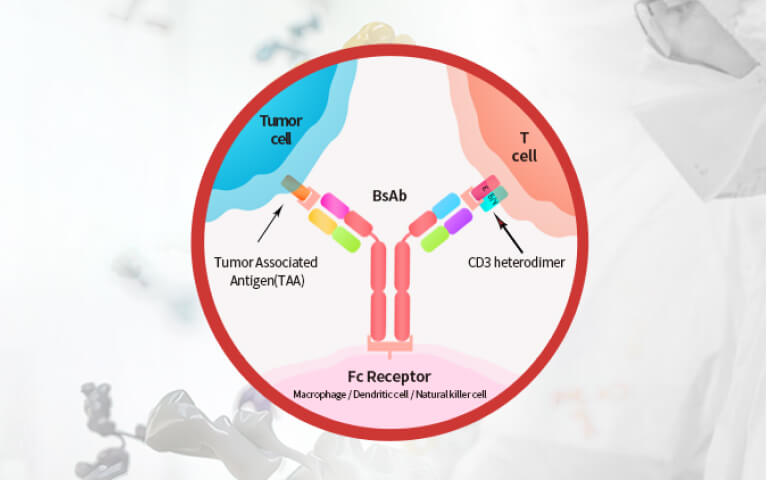 Beyond Bispecifics: How Multispecific Antibodies Are Breaking the Efficacy Ceiling2026-08-10Page Views:73
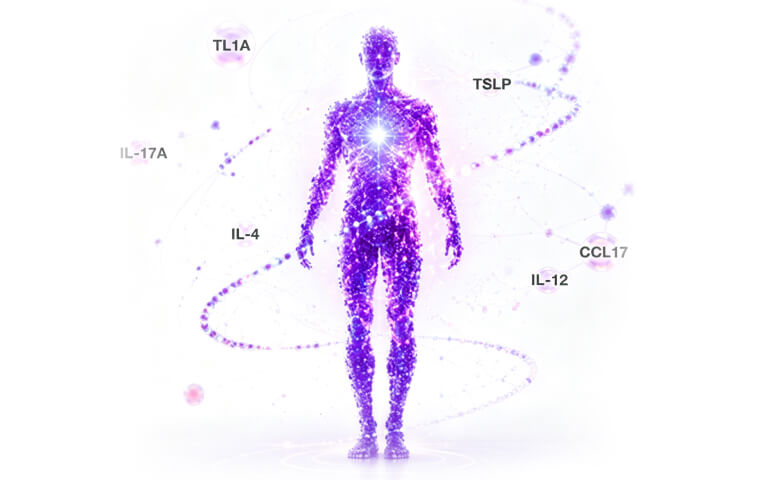 Autoimmune Disease 3.0: Biomarkers Driving the Future of Precision Drug Development2026-08-06Page Views:79
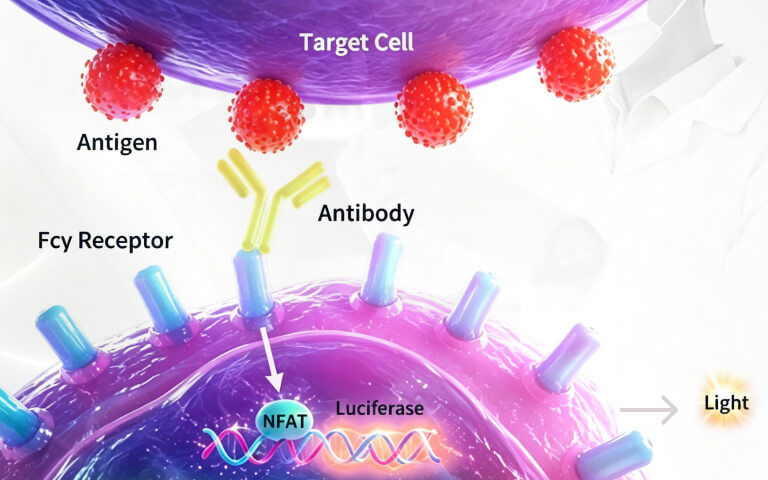 Application-Oriented Functional Cell Lines | Case Study Series2026-08-03Page Views:105
 AI-Assisted Bispecific Antibody Development: From Target Pairing Prediction to Experimental Validation2026-07-31Page Views:127
 The Brain's Fountain of Youth: How Modern Neuroscience Is Decoding Healthy Brain Aging2026-07-31Page Views:80





 Related Products